Advice From Your Brain’s Personal Trainer
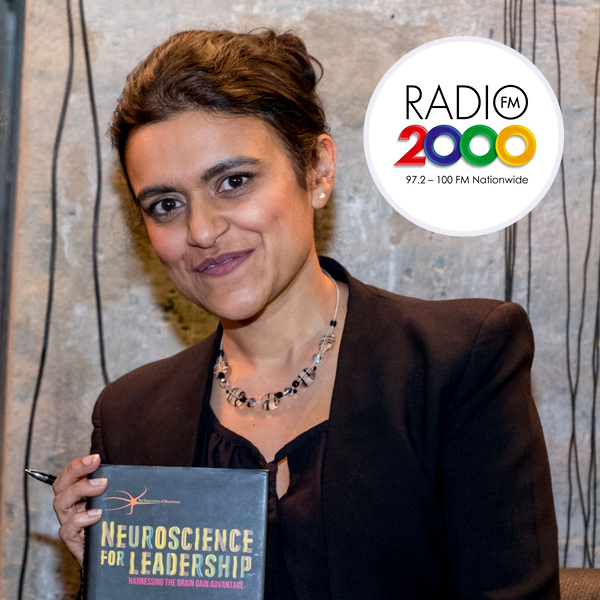
By Dr Tara Swart
What did you eat for breakfast this morning? It matters more than you might think.
Anyone whose job depends on their body—like an Olympic athlete, builder, or ballet dancer—needs a diet to match; they might start the day with a slow-release carbohydrate to give them longer-lasting energy. But few people with “thinking” jobs sit down first thing in the morning and consider which foods and drinks will help them make good decisions that day, improve their focus, and reduce stress. And that’s a mistake.
What we put into our bodies has a powerful impact on our brains, which only weigh 2–3% of our body weight but use up 25–30% of the energy that’s found in what we eat. Our brains need to be properly cared for in order to make sure we perform at our best. You’d never jump in your car and set off without filling up the tank or checking the oil. If you tried to, you wouldn’t expect to get very far. Our brains are similar: They need to be properly fueled and hydrated in order to run smoothly, and we shouldn’t expect optimal performance when they’re not.
Here’s what your brain needs more and less of in order to work at its best.
More Water
Drinking enough water should be, well, a no-brainer—except that many people don’t do that. Our brains require about 500 millilitres of water for every 30 or so pounds of body weight. (So for the average 165-pound American adult, that’s about 2.75 litres of water each day.) This is the minimum level of hydration needed to avoid denting your memory, concentration, and decision-making. But there’s a real risk to missing that threshold even by a little. In fact, researchers have found that even a 1–3% shortfall in adequate hydration can substantially affect these functions. Water aids the free flow of chemical and electrical signals between cells, which is required for effective brain functioning.
Less Alcohol
If a glass of water can boost your brain, a glass of Chianti can slow it down. Drinking alcohol leads to increased levels of the hormone cortisol as the body reacts to the intake of a toxin. Cortisol is a natural part of the body’s response to stress, but chronic stress can lead to excess cortisol, which can have a host of negative effects on the body—like weight gain—as well as the brain, including anxiety and depression, particularly when coupled with a diet high in caffeine and sugar. So having a glass of wine every evening to unwind, as many people do, may have the opposite effect.
More Greens, Beans and Grains
Foods rich in magnesium can suppress the release of cortisol, but when we’re stressed we deplete our bodies’ magnesium stores more rapidly. Whole grains, beans, and leafy greens are good magnesium sources, as are nuts and seeds—which can also be great alternatives to sweet snacks. Unfortunately, these natural sources aren’t always enough to replenish our magnesium supplies during high-stress periods, so supplements, which are often available as tablets or even body salts and bath products, can help make up the difference.
Less Tuna, More Mackerel
Salmon and oily fish like mackerel are great for the brain because of their Omega-3 essential fatty acids, vitamin B12, and protein. These nutrients assist in brain-cell growth and can prevent cognitive decline. On the other hand, smoked fish and fish that are typically high in mercury (like tuna and swordfish) can increase levels of pro-oxidants in the body and actively damage brain cells. Your choice in seafood one day doesn’t just impact your brain in the near-term, it also has an effect on your future brain power.
More Rest, Less Thirst and Hunger
Speaking of brain power, there’s one factor we tend to grasp much better when we think about sleep than about diet: quantity. It’s not just about what you eat and drink, it’s how much you do. Being over-tired can lead to behaviours many of us are all too familiar with—from our attitude toward others to how we make decisions—plus a few we aren’t aware of, like the extent to which our choices are affected by our unconscious biases.
Much as it does when you aren’t well rested when you’re hungry or thirsty, your brain reverts to “survival mode.” It draws blood away from the rational cortex toward the part of the brain that controls basic functions you depend on to get through the day. So while you might have not much trouble getting dressed, commuting, or doing routine tasks when you’re underfed or dehydrated, your brain will struggle with higher “executive functions,” like complex problem-solving, thinking flexibly and creatively, regulating emotions, and overriding biases.
When they’re underpowered, our brains revert to well-trod neural shortcuts that require less cognitive energy. One well-publicized study even found a pattern of judges granting more parole after mealtimes, with their sentences getting harsher in the subsequent hours. The implications for reading resumes, interviewing job candidates, and making other important decisions when you haven’t eaten are clear—and worrying.
It might feel overwhelming to totally change your diet, but sticking with even one behaviour change to boost your brain health can make a real difference. So start small—swap that bag of chips today for a bag of nuts. Your brain will be grateful.
This article originally featured on FastCompany.
About the Author: Dr Tara Swart is a neuroscientist, leadership coach, award-winning author and a medical doctor. She works with leaders all over the world to help them achieve mental resilience and peak brain performance, improving their ability to manage stress, regulate emotions and retain information.